Holiday Leftovers: Food Safety Tips and Recipes
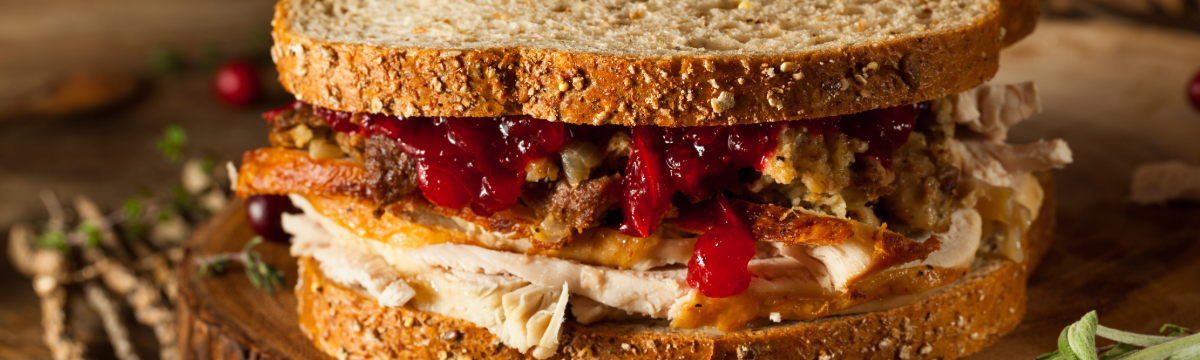
A holiday meal is a special occasion, usually full of foods we do not eat every day. With a little planning, leftovers or “planned-overs” from the holiday meal can last several meals.

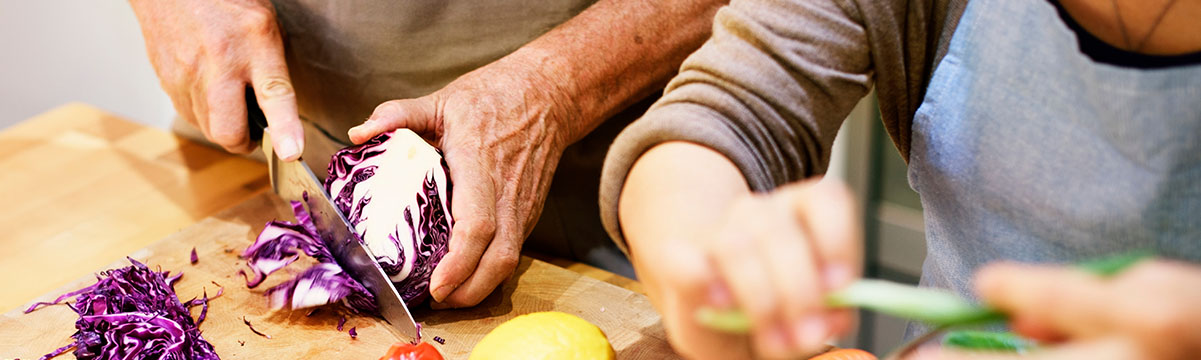
Food is often a foundation for our relationships, traditions, and culture. It is also a key part of our health. As we age, the food we eat can play a critical role in managing and preventing chronic diseases. The Dietary Guidelines for Americans focus on the importance of eating a variety of foods from around MyPlate. This includes fruits, vegetables, dairy, grains, and protein. Eating a variety of foods can help you get the nutrients you need for healthy aging. Connecting through food can benefit your physical health, as well as your mental and emotional wellbeing.
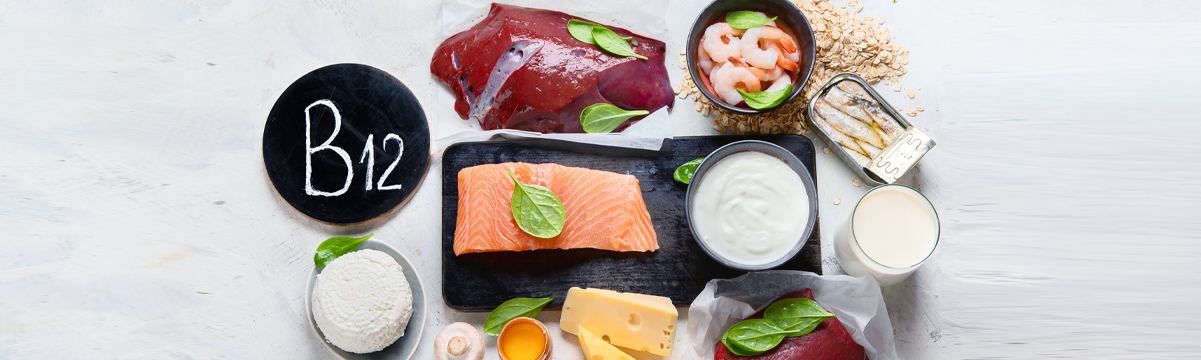
The ability to absorb vitamin B12 decreases with age. Some medications may also decrease absorption. Boost your consumption of Vitamin B12 by adding a variety of protein foods to your plate. Meat, poultry, and eggs are all good protein sources of B12. Additional sources include dairy and fortified foods, such as cereals and breads.

A holiday meal is a special occasion, usually full of foods we do not eat every day. With a little planning, leftovers or “planned-overs” from the holiday meal can last several meals.

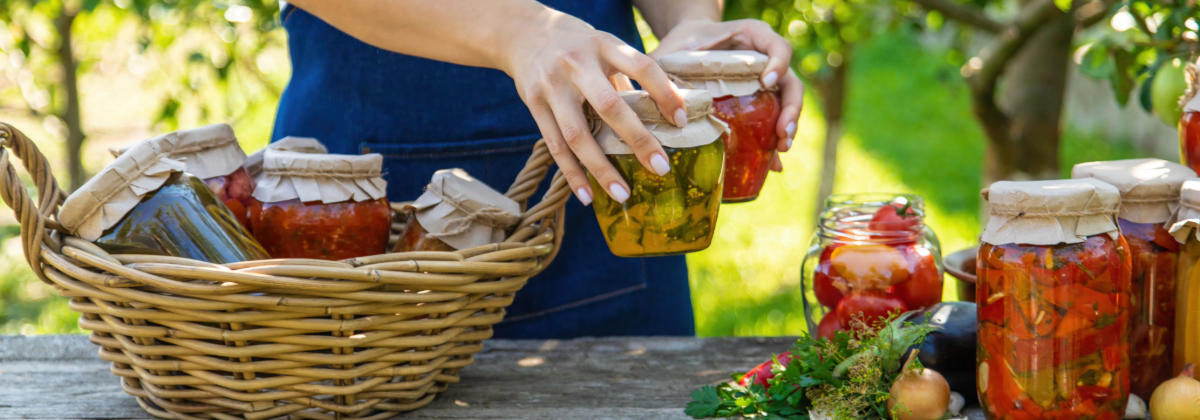
As the days grow shorter, our need for fresh, nutritious produce continues through the winter. Many late-season vegetables are still available at local grocery stores and through some Community Supported Agriculture (CSA) outlets. You may also have grown and stored your own vegetables for winter consumption.