
Holiday Leftovers: Food Safety Tips and Recipes
A holiday meal is a special occasion, usually full of foods we do not eat every day. With a little planning, leftovers or “planned-overs” from the holiday meal can last several meals.



A holiday meal is a special occasion, usually full of foods we do not eat every day. With a little planning, leftovers or “planned-overs” from the holiday meal can last several meals.
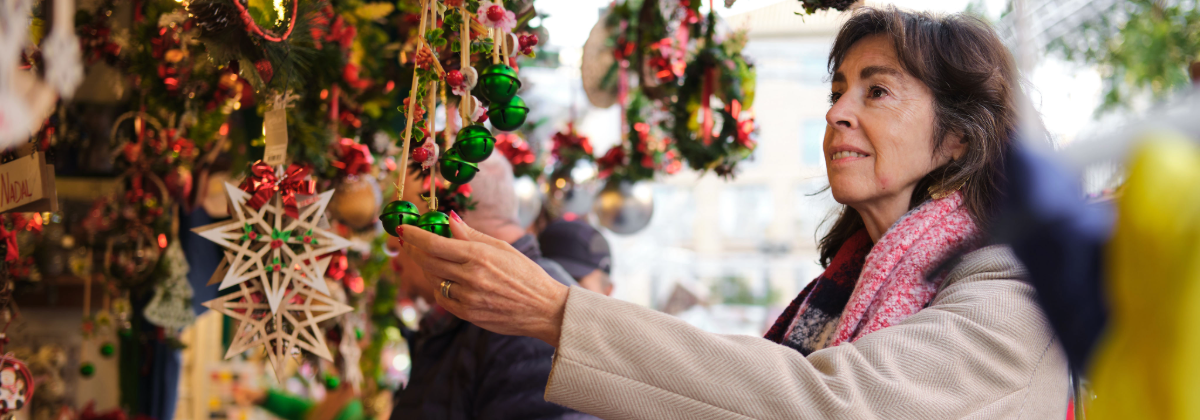
Most of us feel lonely every now and then. Sometimes that feeling passes by fairly quickly, but there can be situations, events, and certain times of year where loneliness can linger. During the holidays, it seems that there is an expectation to celebrate a certain way, and embrace the good cheer of the season.
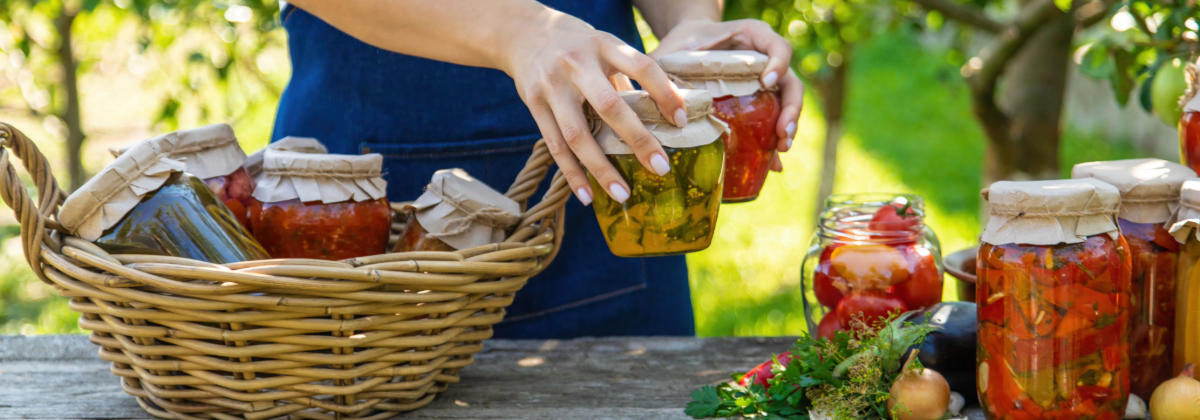
As the days grow shorter, our need for fresh, nutritious produce continues through the winter. Many late-season vegetables are still available at local grocery stores and through some Community Supported Agriculture (CSA) outlets. You may also have grown and stored your own vegetables for winter consumption.
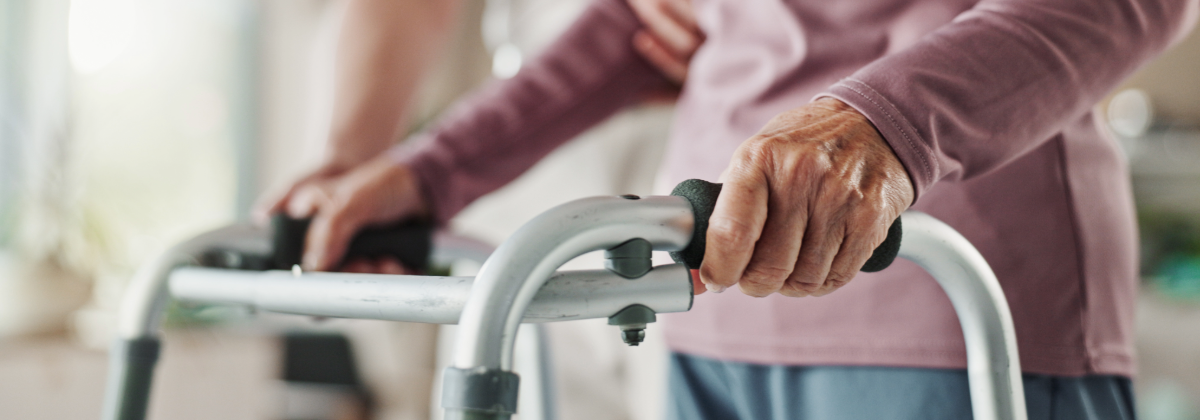
Most older individuals prefer to remain in their homes as they age. Through occupational therapy, we can help individuals achieve this safely while maintaining their independence throughout life stages.
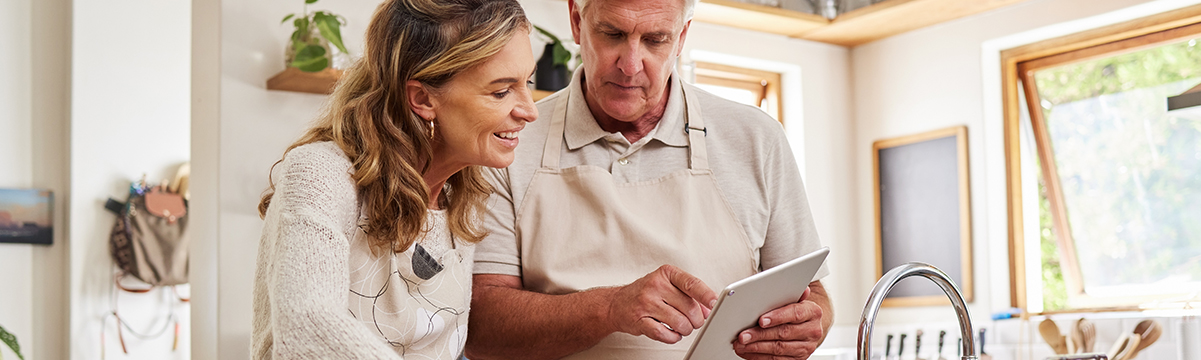
It is not a matter of time as much as a matter of planning ahead so you can enjoy an unhurried dinner. If you have meats thawed and ingredients on hand, most things can be tossed together in about the same time as it takes to order and wait for the food at a restaurant. Slow cooking something in the oven or crock pot is a hand option for making tasty food with little food preparation time.
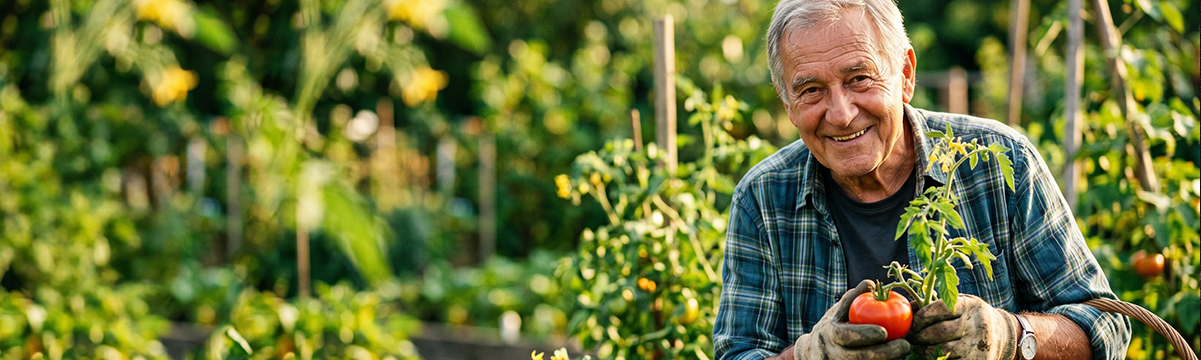
Gardening is an activity that often starts early in life. It is also an activity that can be enjoyable into later years of life. It can be picked up at any stage of life and can bring a great sense of accomplishment when the harvest season arrives each year. Gardening is an activity that can be continued into later stages of life and with accommodations for accessibility can be very enriching to those who thrive by growing things for themselves or even for others.
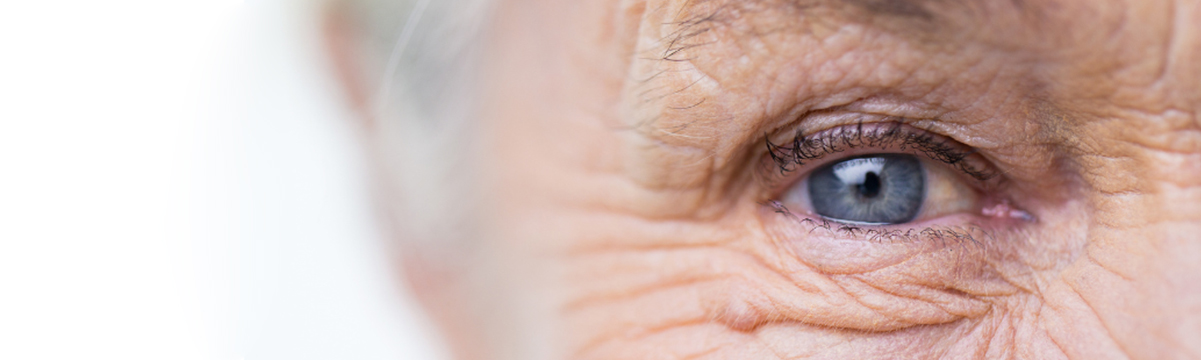
Falls are the leading cause of injury for adults ages 65 years and older.https://www.cdc.gov/falls/data-research/index.html Over 14 million (or 1 in 4) older adults report falling every year. Falls can be extremely dangerous for older adults and can result in fractures, hospitalization, and disability according to the National Institute on Aging. With that said, your vision changes with time and age. That’s why it’s especially important to have your vision checked yearly to keep your eyesight healthy as you age.