
Holiday Leftovers: Food Safety Tips and Recipes
A holiday meal is a special occasion, usually full of foods we do not eat every day. With a little planning, leftovers or “planned-overs” from the holiday meal can last several meals.



A holiday meal is a special occasion, usually full of foods we do not eat every day. With a little planning, leftovers or “planned-overs” from the holiday meal can last several meals.
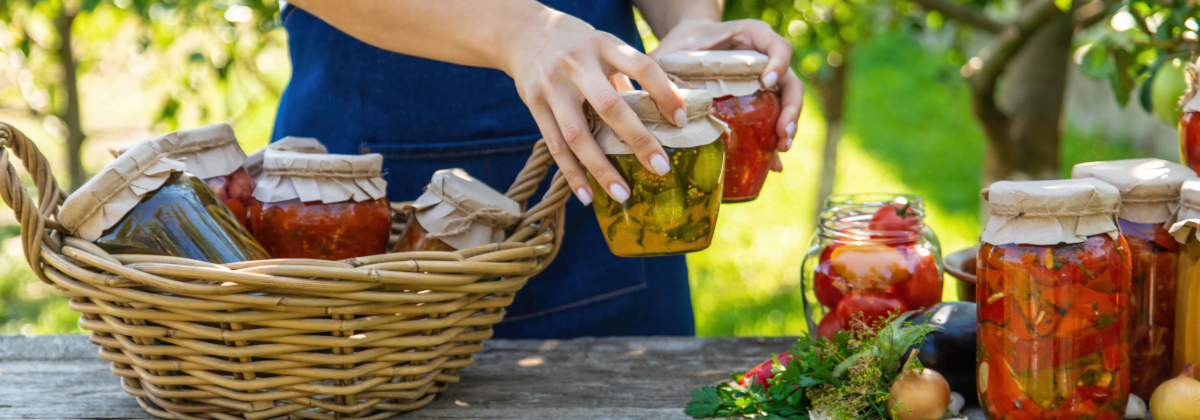
As the days grow shorter, our need for fresh, nutritious produce continues through the winter. Many late-season vegetables are still available at local grocery stores and through some Community Supported Agriculture (CSA) outlets. You may also have grown and stored your own vegetables for winter consumption.

It is not a matter of time as much as a matter of planning ahead so you can enjoy an unhurried dinner. If you have meats thawed and ingredients on hand, most things can be tossed together in about the same time as it takes to order and wait for the food at a restaurant. Slow cooking something in the oven or crock pot is a hand option for making tasty food with little food preparation time.

Gardening is an activity that often starts early in life. It is also an activity that can be enjoyable into later years of life. It can be picked up at any stage of life and can bring a great sense of accomplishment when the harvest season arrives each year. Gardening is an activity that can be continued into later stages of life and with accommodations for accessibility can be very enriching to those who thrive by growing things for themselves or even for others.
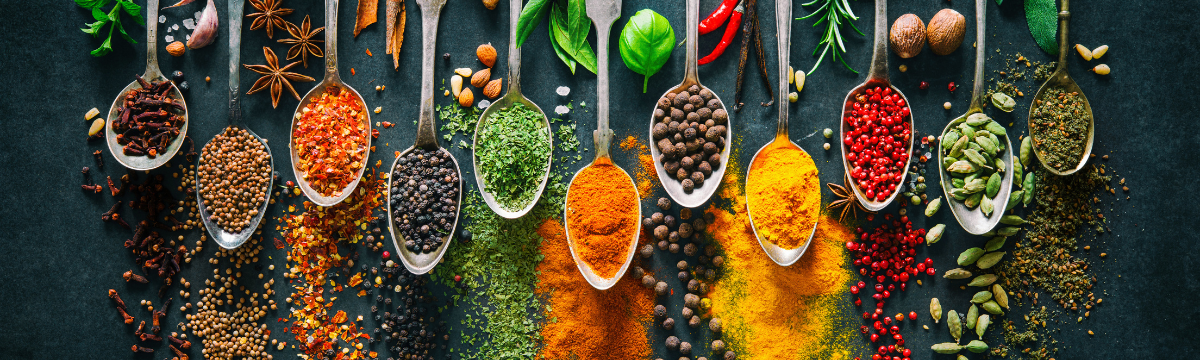
In addition to rising costs and the challenge of smaller cooking amounts, many aging adults must reduce sodium intake due to medical conditions or for personal health.
Recently, one of my Cent$ible Nutrition Program participants asked about the amount of sodium in the frozen precooked diced chicken that I use in my “Build Your Own Skillet” recipe.

Setting SMART goals can help us make small changes to improve our health at any life stage. SMART goals are especially valuable because they provide a step-by-step plan to reach our goal. They provide us with a sense of direction, motivation, and clear focus for actions to take.