AGE | Year Long Healthy Eating Using SMART Goals and the new Dietary Recommendations for Americans, 2025-2030.
Mindy Meuli, MS, RD
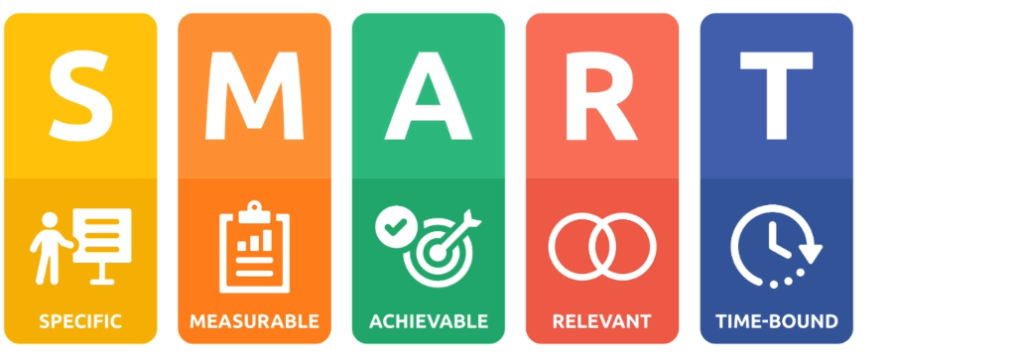
Setting SMART goals can help us make small changes to improve our health at any life stage. SMART goals are especially valuable because they provide a step-by-step plan to reach our goal. They provide us with a sense of direction, motivation, and clear focus for actions to take.
S – Specific: A good goal is specific – think about a specific food group or activity, rather than generally eating healthier or being more active.
M – Measurable: Measurable goals have a number attached to them, such as eating one extra cup of vegetables/day or walking for 10 minutes after dinner.
A – Attainable: Goals that are attainable can be acted on and met with reasonable effort.
R – Relevant: Goals should be relevant to what a participant wants to attain.
T – Time-Bound: A time-bound goal has an end date (for example, after one week), after which the individual can evaluate their progress and set new goals.
An example of a healthy eating SMART Goal is:
To improve my health, I will eat at least 1 fruit and 1 vegetable for 5 days this week.
Once you have reached your goal and it has become a routine, add another goal until you have achieved a balanced diet following the Dietary Guidelines for Americans.
2025-2030 Dietary Guidelines for Americans:
- Eat the Right Amount for You
- Prioritize Protein Foods at Every Meal
- Consume Dairy
- Eat Vegetables and Fruit Throughout the Day
- Incorporate Healthy Fats
- Focus on Whole Grains
- Limit Highly Processed Foods, Added Sugars, and Refined Carbohydrates
- Limit Alcoholic Beverages
For more information on the new pyramid go to https://realfood.gov
Source: UW Cent$ible Nutrition Program Curriculum – Lesson 3 and the 2025-2030 Dietary Guidelines for Americans.
Related Posts

AGE | The Three Pillars of Healthy Weight Maintenance
A common misconception is that our metabolism takes a drastic dive for the worse as we age, but this isn’t necessarily true. The real cause behind changes in weight maintenance is our bodies natural decrease in muscle mass starting at around age 30. Muscle burns more calories than fat, so as we lose muscle, we see a decline in metabolism. Other factors include hormonal shifts, such as those around menopause for women. These shifts can lead to changes in fat storage. Our appetite signals also become less reliable, which can cause difficulties in managing how much we eat.

AGE | Cooking for Small Families with One or Two Members
.It is not a matter of time as much as a matter of planning ahead so you can enjoy an unhurried dinner. If you have meats thawed and ingredients on hand, most things can be tossed together in about the same time as it takes to order and wait for the food at a restaurant. Slow cooking something in the oven or crock pot is a hand option for making tasty food with little food preparation time.