Gardening and the Harvest for Older Wyomingites
Gardening Can Be a Lifelong, Accessible Activity
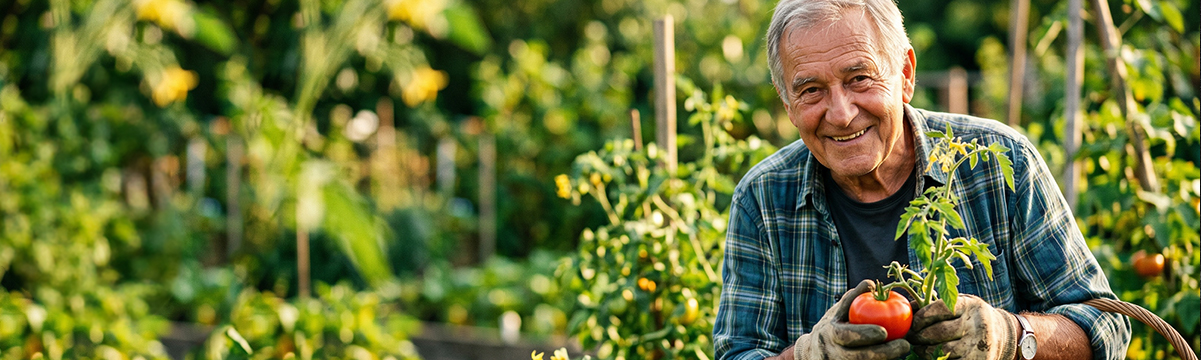
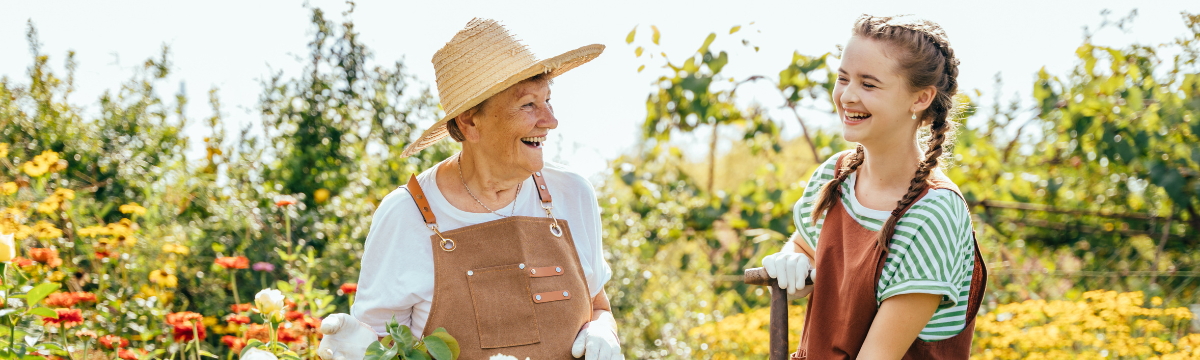
Gardening is an activity that often starts early in life. It is also an activity that can be enjoyable into later years of life. It can be picked up at any stage of life and can bring a great sense of accomplishment when the harvest season arrives each year. Gardening is an activity that can be continued into later stages of life, and with accommodations for accessibility, can be very enriching to those who thrive by growing things for themselves or even for others.
Winter Planning Keeps the Mind Active
Gardening is a hobby that keeps the mind active and builds creativity even in the winter months, when one can’t easily have their hands in the soil. Planning for the next growing season can keep someone busy reading seed catalogs and searching out seed for the best varieties, for the most prolific types of produce, or even just the right color and shape of flower for a difficult spot in a garden location.
Crop Rotation and Recordkeeping
Once a garden is in place, a gardener must make plans for crops to be rotated every few years to prevent disease or insect pests from ruining a crop in successive years. So, planning for rotations to keep members of one plant family out of areas where the same family had been grown. Many gardeners keep records to track what grew where in the garden and what did well or what might have faced challenges in a specific location of the garden each year. Recordkeeping and planning practices are great for maintaining an alert mind through the months that many Wyomingites spend indoors.
Getting Outdoors as the Season Begins
Preparations for the season give ample opportunity to get outdoors as the season begins to warm prior to each growing season. Once the soil is workable in the spring, even a few hours a day can be spent outdoors cleaning up parts of the garden that were not finished the previous fall.
Early-Season Planting Prep
Preparations for the season give ample opportunity to get outdoors as the season begins to warm prior to each growing season. Once the soil is workable in the spring, even a few hours a day can be spent outdoors cleaning up parts of the garden that were not finished the previous fall.
The addition of organic matter or fertilizers can be done prior to warmer days in late spring. Cool-season crops can be planted while we are still expecting regular snowstorms. They will germinate and start growing when conditions are right.
The addition of organic matter or fertilizers can be done prior to warmer days in late spring. Cool-season crops can be planted while we are still expecting regular snowstorms. They will germinate and start growing when conditions are right.
Composting Garden Debris
Debris from the garden can be added to compost piles at the home site, and keep that beneficial material onsite instead of adding it to community landfills. With proper aging and appropriate temperatures, waste product become beneficial additions to improving growing conditions in gardening spaces. Monitoring and turning compost can be a great physical activity.
The Rewards of Growing Your Own
Debris from the garden can be added to compost piles at the home site, and keep that beneficial material onsite instead of adding it to community landfills. With proper aging and appropriate temperatures, waste product become beneficial additions to improving growing conditions in gardening spaces. Monitoring and turning compost can be a great physical activity.
Harvesting at the Right Time of Day
When the first fruits or flowers of the garden are ready to be enjoyed or shared with others, all the effort of the process makes it seem worthwhile. Most harvests are done in the morning hours to preserve the moisture that the plants have accumulated overnight. The harvest will be the plumpest at that time of the day, and the sugars in the fruits will be of the highest quality in the morning. If the harvest is done later in the day, plants will begin to turn the sugars into starches, and the flavors will not be the best they can be.
The Benefits of Eating What You Grow
It is said that the produce grown from one’s own garden is the healthiest and nutritionally beneficial to those who eat it. There are benefits of eating what you grow, and part of that is the sheer satisfaction of being self-sufficient enough to have grown produce you can eat or share with others. Besides the activity of harvesting, enjoying the fresh produce, even cut flowers, or preserving the fruits and vegetables of the harvest for enjoyment through our long winter months is the best part of the process. That harvest can add to the longevity and livelihood of the gardener. As we all learned as children, “You are what you eat!”