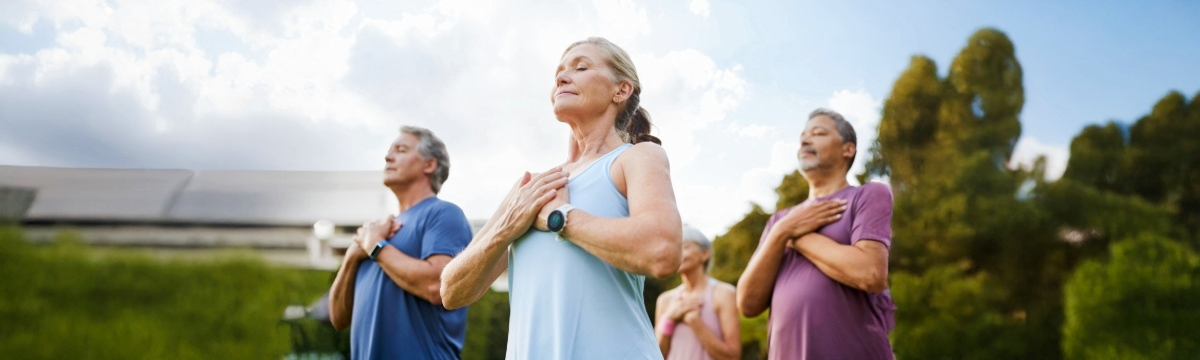
AGE | Using Mindfulness Practices to Improve Safety and Well-being of Older Wyomingites
Try this exercise: Take a minute… in fact, take a few minutes to stop and observe how your mind works. Wherever you are, bring your attention to your breath. Try to follow the entire inhale and exhale. Then try to follow the next breath, and so on.

AGE | Art for Better Living: A Creative Approach to Aging Well
Staying healthy as we age goes beyond physical checkups. Mental and emotional well-being are critical to quality of life, especially for older adults who may face challenges like isolation, chronic illness, or grief.

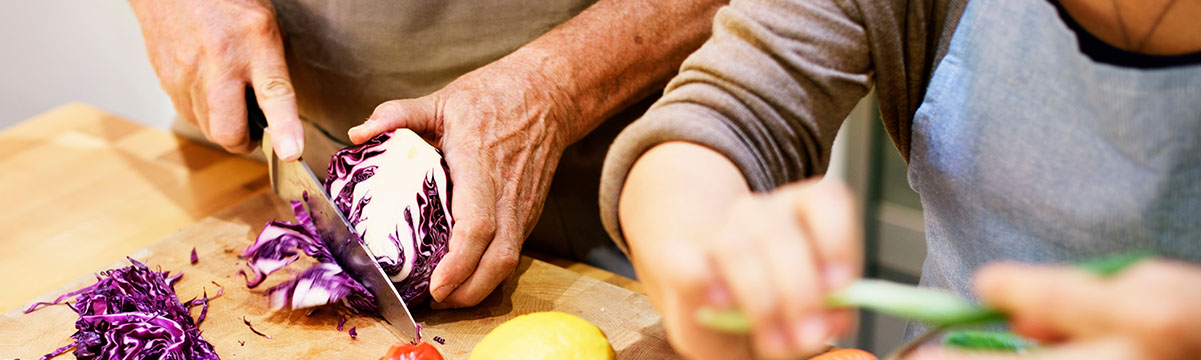
AGE | Food Connect Us
Food is often a foundation for our relationships, traditions, and culture. It is also a key part of our health. As we age, the food we eat can play a critical role in managing and preventing chronic diseases.

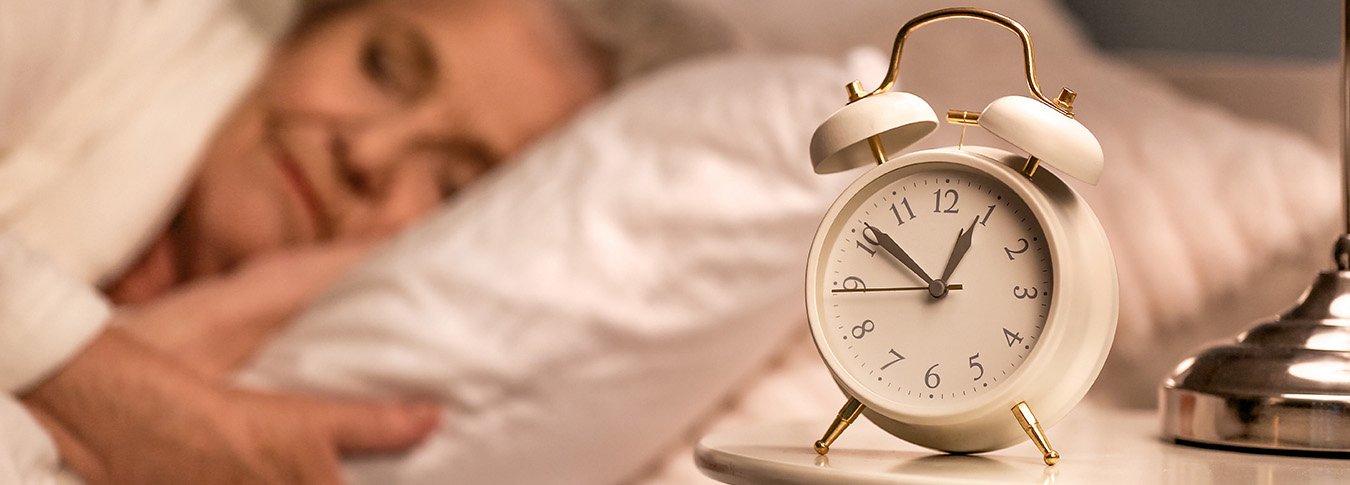
AGE | Healthy Sleep Habits
Sleep, sleep, and more sleep! You probably hear about sleep frequently. It’s a common headline in the news and often a topic of conversation. A question I ask my family most mornings is, “How did you sleep?” Sleep is universal—we all need sleep and we’ve been sleeping since the beginning of time! Most individuals don’t get enough.

AGE | Recognizing and Managing Stress
Stress presents itself in many ways. It may show up as headaches, pressure between the shoulder blades, fatigue, insomnia, or irritability. Stress is the body’s reaction to a situation; because stress responses are unique to individuals, stress management must also be personalized.

AGE | What do we call “old people”?
Each spring when I teach my class on aging, I ask young students–who are usually in their early 20s–what we should call people over the age of or around 65.
I hear pretty much the same list year after year: elderly, senior citizens, aged, elders, senile and geriatrics.

AGE | Home Modifications Can Promote Aging in Place
If you ask older people about their preferred living situation in the future, most will say that they would like to remain living in their current home for as long as possible. This is because for many people, homes have much greater meaning and sentimental value, far beyond the “bricks and mortar” they’re made from.