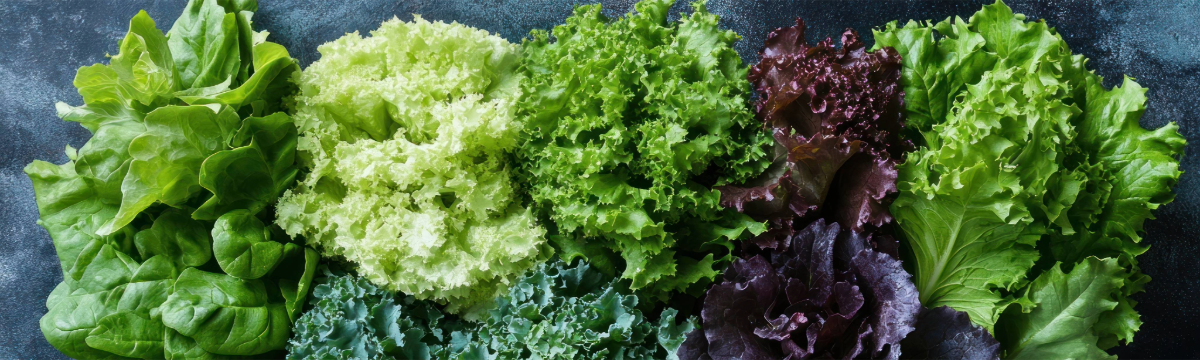

AGE | Leafy Greens: A Veggie Powerhouse for Your Health
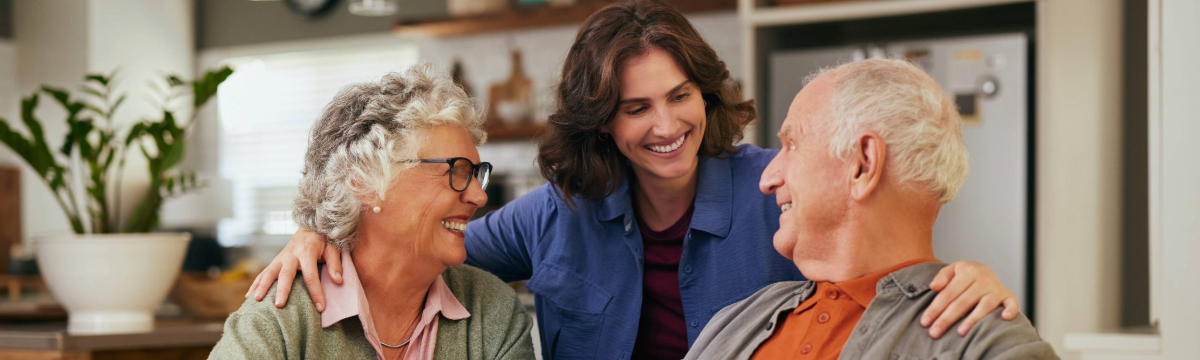
Recently, I had the opportunity to conduct a study on aging in place in extremely rural settings in Wyoming, also known as frontier areas. Aging in place refers to the ability of people to safely remain in their homes and/or communities as they get older and is often the preference of older adults.

AGE | Home on the Range: Aging in Place in Frontier Wyoming
Recently, I had the opportunity to conduct a study on aging in place in extremely rural settings in Wyoming, also known as frontier areas. Aging in place refers to the ability of people to safely remain in their homes and/or communities as they get older and is often the preference of older adults.

AGE | Diabetes Awareness: Prevention, Diagnosis, and Management/Treatment
Did you know that November is Diabetes Awareness Month? According to the American Diabetic Association, the figures below depict a bleak picture. Diabetes remains a significant public health concern.

AGE | Benefits and Challenges of Working in Later Life
The traditional image of retirement—days filled solely with leisure and relaxation—is being redefined for a growing number of older adults across the nation, Wyoming included. Many individuals are choosing, or needing, to remain in the workforce well past the “traditional” retirement age of around 65. This isn’t just a passing phenomenon, it’s a culture shift driven by economic realities, personal fulfillment, and evolving demographics.

AGE | Wellness vs. Well-being: What’s the Difference?
Do you hear the terms wellness and well-being in the news, advertisements, worksites, the doctor’s office, and in everyday conversation? Today, it seems like these buzzwords are everywhere. But what are wellness and well-being, and what’s the difference?

AGE | Nutrition Highlight: Potassium
Potassium is a key nutrient, especially as we age. It is important for nerve and muscle function. Potassium also helps maintain a regular heartbeat, and plays a role in bone and kidney health. It may help decrease blood pressure, prevent osteoporosis, and protect against stroke. Men 51 and older should aim for 3,400 milligrams per day. Women 51 and older should aim for 2,600 milligrams per day.

AGE | Finding Your Balance
As we age, our muscle mass and strength decline. Physical activity can help prevent this decline and help you find and maintain your balance. Being mobile, strong, and steady on your feet can help you stay independent as you age. This can increase your confidence and well-being, as well as reduce your risk of falling.