Eyes on Safety: The Importance of Eye Health and Balance
Why Vision Changes Increase Your Risk of Falling
Falls are the
leading cause of injury for adults ages 65 years and older. Over 14 million (or 1 in 4) older adults report falling every year. Falls can be extremely dangerous for older adults and can result in fractures, hospitalization, and disability, according to the National Institute on Aging. With that said, your vision changes with time and age. That’s why it’s especially important to have your vision checked yearly to keep your eyesight healthy as you age.
As we age, changes in vision are common but can increase the chance of falling. Small vision changes like blurriness, reduced depth perception, or struggling to see in low light can make the usual everyday activities riskier. The good news is that taking care of your vision is a simple and effective step toward safety and continued independence.
Get Your Eyes Checked Every Year
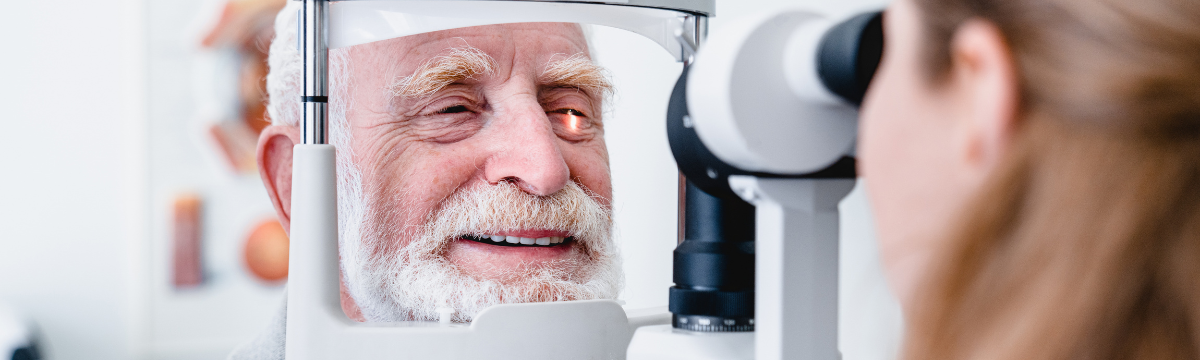
Scheduling regular eye exams is imperative. The National Institute on Aging recommends that older adults get their vision checked at least once a year, or as suggested by their health provider. An updated prescription can make a significant difference in how clearly obstacles like stairs, curbs, or uneven surfaces can be seen and avoid falling.
Wear the Right Glasses — and Watch for Eye Conditions
It’s also important to wear the right glasses for the right activity. Bifocals or progressive lenses can make it harder to judge distance when walking, especially on stairs or outdoors. Don’t ignore changes in your vision. Conditions like cataracts, glaucoma, and macular degeneration can develop gradually and affect balance and coordination. Early detection and treatment can help protect both your sight and your safety.
Light Your Home for Safety
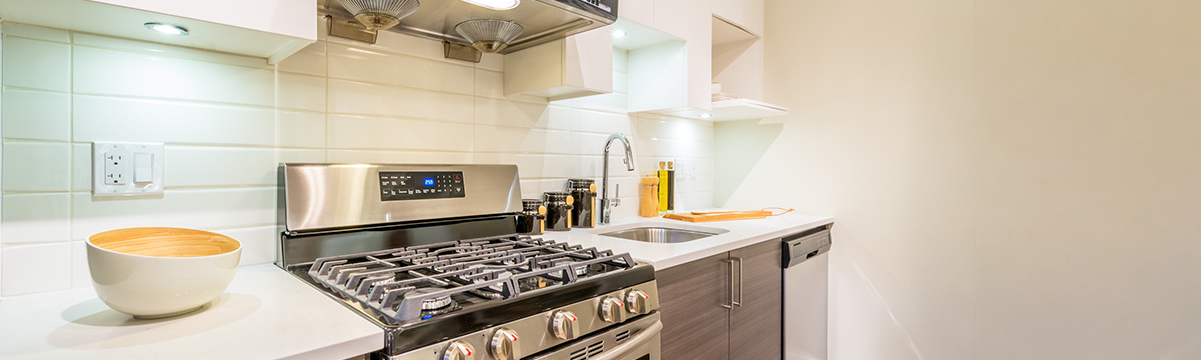
Lighting also plays a vital role as we age; we need more light to see clearly. Ensure that your home has bright, even lighting, especially in hallways, stairways, and bathrooms. Adding nightlights around the house can also help reduce the risk of falling.
Vision Changes and Driving After Dark
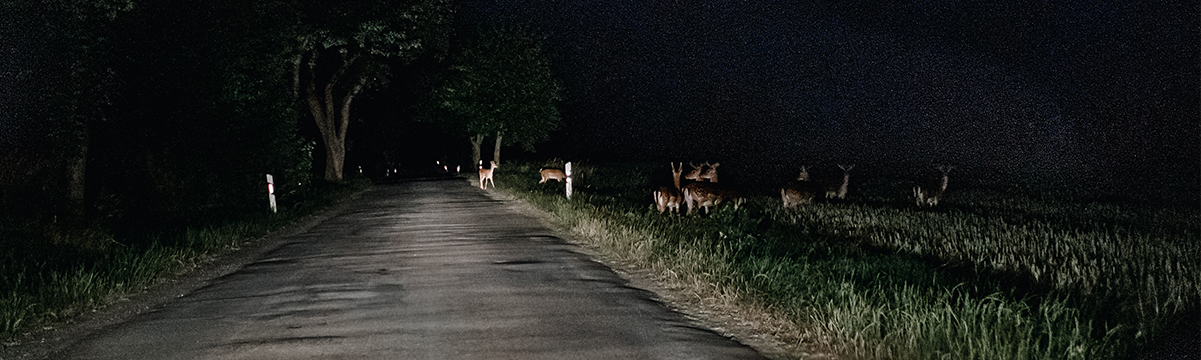
Problems adjusting to light and dark can make driving more difficult, especially at night or in the rain. The American Academy of Ophthalmology suggests that it can help to take a driving course designed for older adults, stick to driving during daylight hours when visibility is better, slowing down a bit to give yourself more time to react, and be extra cautious at intersections where quick decisions are often needed.
Walk Through Your Home With Fresh Eyes
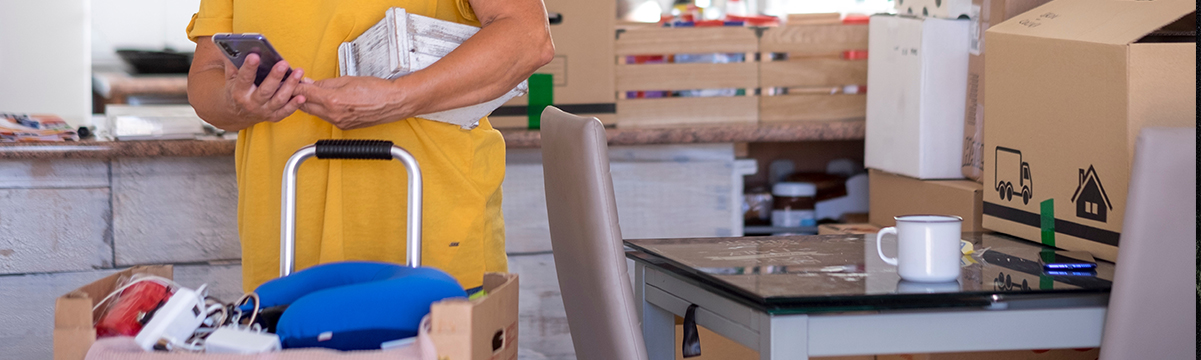
And last but not least, take the time to look around your home and evaluate your daily routines. Are there areas where poor lighting or clutter might make it harder to see and move safely? Small changes like increasing contrast on stairs or keeping walkways clear can make an enormous difference.
Small Changes Add Up to Fewer Falls
Falls are not an inevitable part of aging. By paying attention to your vision and making a few simple changes, you can stay steady on your feet and confident in your surroundings.
References