AGE | Being Physically Active as You Age

LinkedIn
Facebook
Email
Print

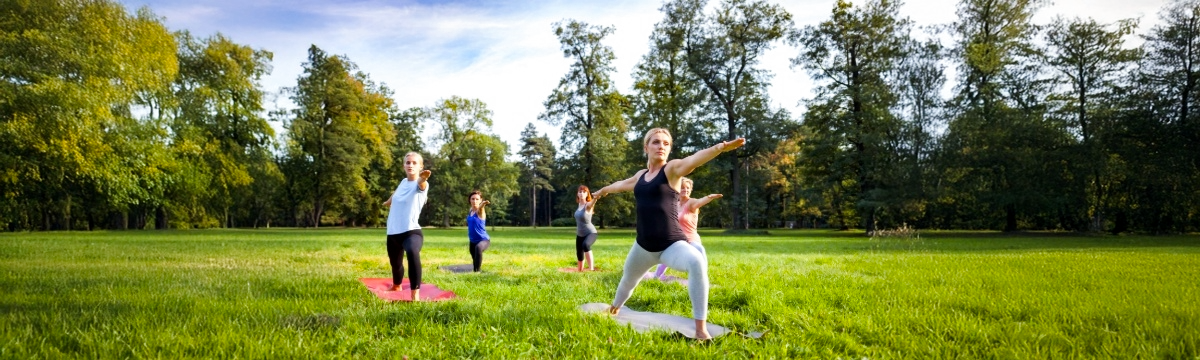
According to the NIH, engaging in social and productive activities that you enjoy may help to maintain your well-being and independence as you get older. Research has shown that an active lifestyle helps lower the risk of developing dementia, heart disease, stroke and some types of cancer. Being physically active helps you feel happier and less depressed, and possibly help improve mental abilities, especially if the activity uses the brain to recall words or steps, like singing or dancing.

Find activities you enjoy like gardening, dancing, swimming, biking, or walking. Some ideas for increasing physical and social activities are:

  • Take part in senior or community center activities and events
  • Serve meals or volunteer at organizations helping those in need
  • Sing in a community choral group, play in a local band or orchestra, or take part in a local theater production
  • Take a swimming class
  • Walk or bicycle with a friend or neighbor
  • Teach your grandchildren a game or dance from your childhood
  • Do tai-chi or yoga
  • Join a bowling league

To reduce the risk of injury, it is important to increase you physical activity slowly over a period of week to months. Make sure to warm up and cool down before and after exercising to help get the muscles ready for activity and let the heart rate and increasing increase gradually. Cooling down after the exercise allows the heart rate to gradually return to normal.

For those with chronic disease conditions or who have been inactive, it is wise to consult with a health care provider before taking on a new exercise regimen.

Source: U.S. Department of Health and Human Services, NIH-National Institute on Aging

Related Posts

Older adults and children sitting together at an outdoor table with food and drinks.

AGE | The Three Pillars of Healthy Weight Maintenance

A common misconception is that our metabolism takes a drastic dive for the worse as we age, but this isn’t necessarily true. The real cause behind changes in weight maintenance is our bodies natural decrease in muscle mass starting at around age 30. Muscle burns more calories than fat, so as we lose muscle, we see a decline in metabolism. Other factors include hormonal shifts, such as those around menopause for women. These shifts can lead to changes in fat storage. Our appetite signals also become less reliable, which can cause difficulties in managing how much we eat.

Respectful terms for aging
Older Adult couple cooking a meal

AGE | Cooking for Small Families with One or Two Members

.It is not a matter of time as much as a matter of planning ahead so you can enjoy an unhurried dinner. If you have meats thawed and ingredients on hand, most things can be tossed together in about the same time as it takes to order and wait for the food at a restaurant. Slow cooking something in the oven or crock pot is a hand option for making tasty food with little food preparation time.

Respectful terms for aging