

...For Better Living
Creative programs that strengthen mental health, resilience, and connection in Wyoming communities.
A University of Wyoming Extension initiative using art, gardening, cooking, and physical activity to support emotional well-being.
A University of Wyoming Extension initiative created by Melissa Cook, Juliet Daniels, and Community Vitality & Health Educators.
Our Mission
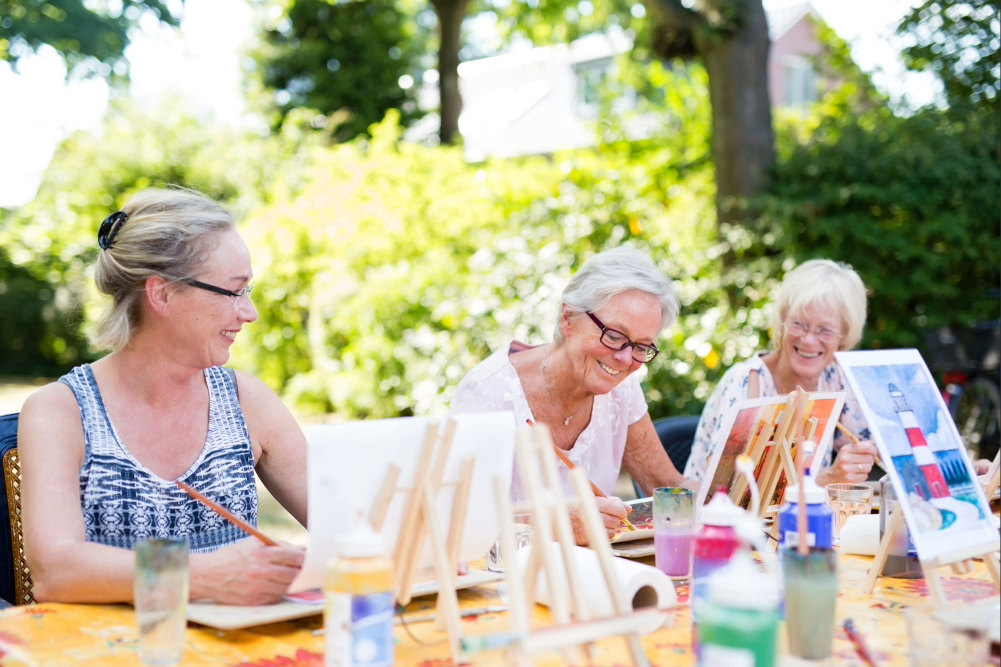
…For Better Living programs use creative and practical activities to improve mental health, build resilience, and strengthen social connections.
Through hands-on experiences such as art, gardening, cooking, and physical activity, participants learn simple mental wellness tools while engaging in meaningful activities.
The goal is to create accessible, community-based approaches to improving emotional well-being in rural Wyoming.
Our Classes

How the Program works
Activity
Participants engage in meaningful six-class series of 90-minute hands-on sessions such as painting, gardening, cooking, or physical movement.
Breathing Techniques
Each class includes guided breathing exercises that help calm the mind and reduce stress.
Mental Wellness Skills
Participants learn simple mental health strategies that can be used in everyday life.
Why Programs Like...For Better Living Matter
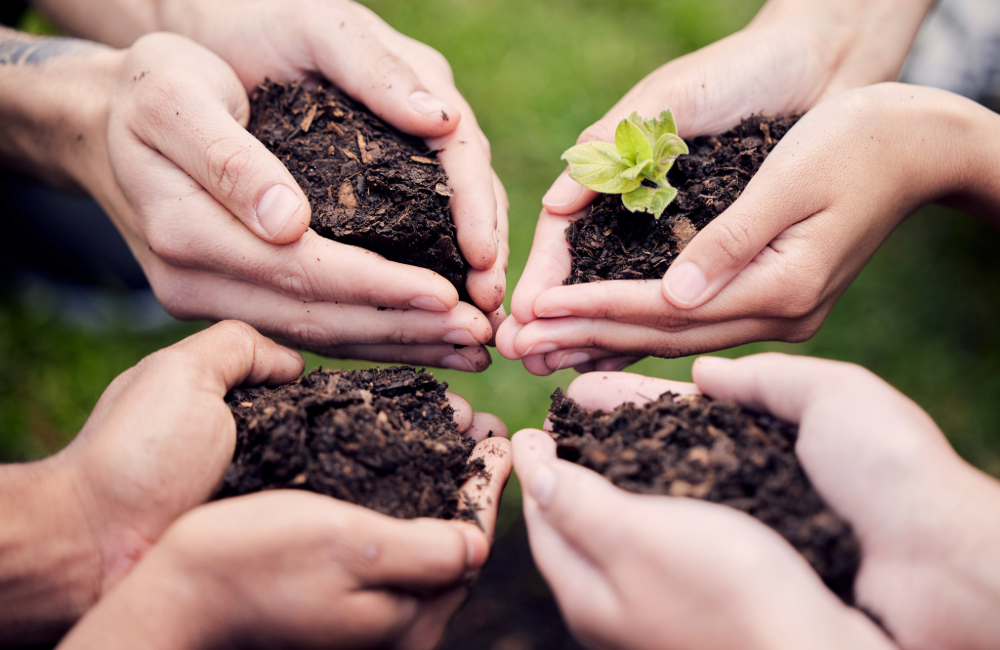
Wyoming communities face significant mental health challenges, particularly in rural areas and among older adults. Limited services, geographic isolation, and stigma often prevent people from receiving the support they need.
…For Better Living programs provide practical tools that help participants manage stress, build resilience, and create meaningful connections.
The Challenge
Wyoming faces serious mental health challenges, particularly in rural and aging communities.
In Big Horn County alone:
- More than 25% of residents are over age 60
- The senior population grew 47% between 2010 and 2021
- The county has the highest depression rate among seniors in Wyoming
Isolation, limited services, and stigma surrounding mental health make it difficult for many residents to access support.
Programs that build connection, purpose, and coping skills are critical.