AGE | Year Long Healthy Eating Using SMART Goals and the new Dietary Recommendations for Americans, 2025-2030.

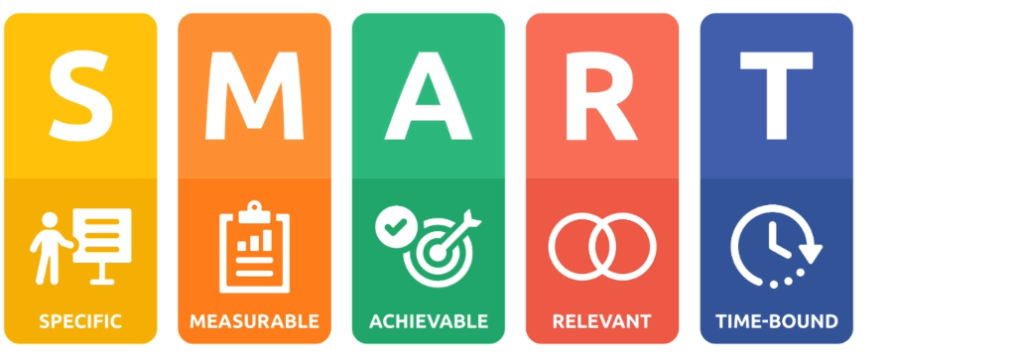
SMART Goals Image explaining acronym
Picture of Mindy Meuli, MS, RD

Mindy Meuli, MS, RD

LinkedIn
Facebook
Email
Print

Setting SMART goals can help us make small changes to improve our health at any life stage. SMART goals are especially valuable because they provide a step-by-step plan to reach our goal. They provide us with a sense of direction, motivation, and clear focus for actions to take.

S – Specific: A good goal is specific – think about a specific food group or activity, rather than generally eating healthier or being more active. 

M – Measurable: Measurable goals have a number attached to them, such as eating one extra cup of vegetables/day or walking for 10 minutes after dinner. 

A – Attainable: Goals that are attainable can be acted on and met with reasonable effort. 

R – Relevant: Goals should be relevant to what a participant wants to attain. 

T – Time-Bound: A time-bound goal has an end date (for example, after one week), after which the individual can evaluate their progress and set new goals.

An example of a healthy eating SMART Goal is:

To improve my health, I will eat at least 1 fruit and 1 vegetable for 5 days this week. 

Once you have reached your goal and it has become a routine, add another goal until you have achieved a balanced diet following the Dietary Guidelines for Americans. 

2025-2030 Dietary Guidelines for Americans:

  • Eat the Right Amount for You
  • Prioritize Protein Foods at Every Meal
  • Consume Dairy
  • Eat Vegetables and Fruit Throughout the Day
  • Incorporate Healthy Fats
  • Focus on Whole Grains
  • Limit Highly Processed Foods, Added Sugars, and Refined Carbohydrates
  • Limit Alcoholic Beverages

For more information on the new pyramid go to https://realfood.gov  


Source: UW Cent$ible Nutrition Program Curriculum – Lesson 3 and the 2025-2030 Dietary Guidelines for Americans. 

Related Posts

AGE | Being Physically Active as You Age

According to the NIH, engaging in social and productive activities that you enjoy may help to maintain your well-being and independence as you get older. Research has shown that an active lifestyle helps lower the risk of developing dementia, heart disease, stroke and some types of cancer. Being physically active helps you feel happier and less depressed, and possibly help improve mental abilities, especially if the activity uses the brain to recall words or steps, like singing or dancing.

Respectful terms for aging
Picture of different types of protein

AGE | The Wide Variety of Protein

Protein is a key part of a healthy diet, especially as we age. Protein helps maintain muscle mass, which can help keep your body strong. When it comes to protein, beef, chicken, and pork might come to mind. Protein can also come from plant foods, like beans and nuts. Protein is important for growth and repair in the body.

Respectful terms for aging