


AGE | The Three Pillars of Healthy Weight Maintenance

A common misconception is that our metabolism takes a drastic dive for the worse as we age, but this isn’t necessarily true. The real cause behind changes in weight maintenance is our bodies natural decrease in muscle mass starting at around age 30. Muscle burns more calories than fat, so as we lose muscle, we see a decline in metabolism. Other factors include hormonal shifts, such as those around menopause for women. These shifts can lead to changes in fat storage. Our appetite signals also become less reliable, which can cause difficulties in managing how much we eat.
AGE | Cooking for Small Families with One or Two Members

.It is not a matter of time as much as a matter of planning ahead so you can enjoy an unhurried dinner. If you have meats thawed and ingredients on hand, most things can be tossed together in about the same time as it takes to order and wait for the food at a restaurant. Slow cooking something in the oven or crock pot is a hand option for making tasty food with little food preparation time.
AGE | Year Long Healthy Eating Using SMART Goals and the new Dietary Recommendations for Americans, 2025-2030.
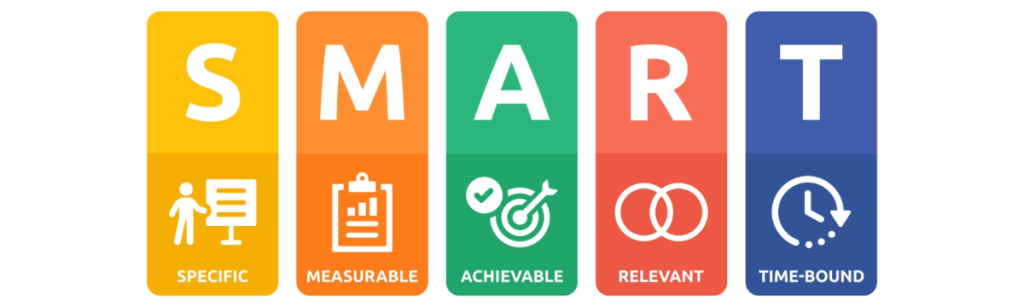
Setting SMART goals can help us make small changes to improve our health at any life stage. SMART goals are especially valuable because they provide a step-by-step plan to reach our goal. They provide us with a sense of direction, motivation, and clear focus for actions to take.
AGE | Being Physically Active as You Age
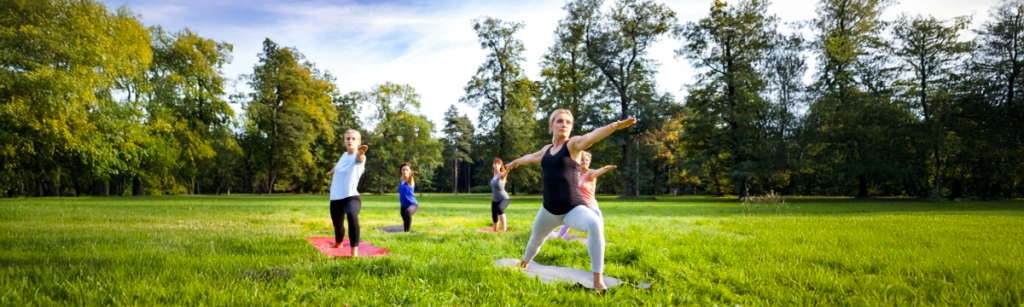
According to the NIH, engaging in social and productive activities that you enjoy may help to maintain your well-being and independence as you get older. Research has shown that an active lifestyle helps lower the risk of developing dementia, heart disease, stroke and some types of cancer. Being physically active helps you feel happier and less depressed, and possibly help improve mental abilities, especially if the activity uses the brain to recall words or steps, like singing or dancing.
AGE | The Wide Variety of Protein
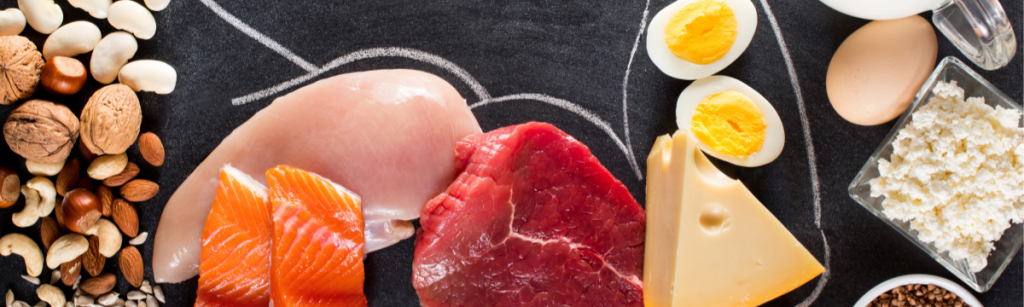
Protein is a key part of a healthy diet, especially as we age. Protein helps maintain muscle mass, which can help keep your body strong. When it comes to protein, beef, chicken, and pork might come to mind. Protein can also come from plant foods, like beans and nuts. Protein is important for growth and repair in the body.
AGE | Leafy Greens: A Veggie Powerhouse for Your Health
Recently, I had the opportunity to conduct a study on aging in place in extremely rural settings in Wyoming, also known as frontier areas. Aging in place refers to the ability of people to safely remain in their homes and/or communities as they get older and is often the preference of older adults.
AGE | Nutrition Highlight: Potassium

Potassium is a key nutrient, especially as we age. It is important for nerve and muscle function. Potassium also helps maintain a regular heartbeat, and plays a role in bone and kidney health. It may help decrease blood pressure, prevent osteoporosis, and protect against stroke. Men 51 and older should aim for 3,400 milligrams per day. Women 51 and older should aim for 2,600 milligrams per day.
AGE | Food Connect Us
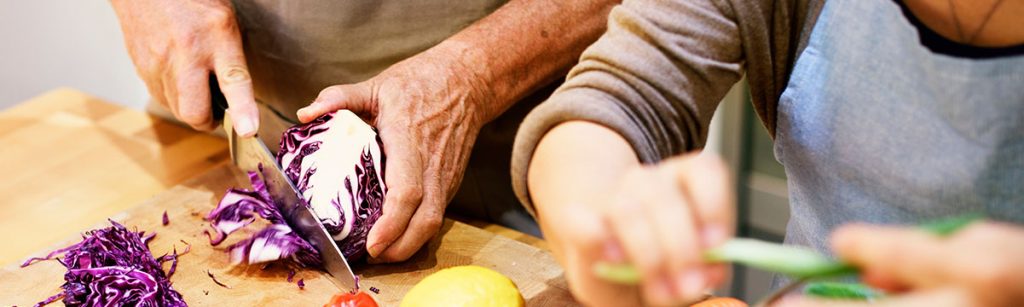
Food is often a foundation for our relationships, traditions, and culture. It is also a key part of our health. As we age, the food we eat can play a critical role in managing and preventing chronic diseases.