


AGE | Novel Model Links Stress and Recovery Cycles to Healthy Aging
During his whiteboard talk for The Physics in Aging Biology Workshop, he demonstrated how cycles of exercise (stress) and rest teach the body to adapt, making it stronger and more resilient. Exercise works by briefly stressing the body, causing small amounts of muscle damage. The body then repairs itself, becoming stronger and healthier; this same process can boost overall longevity and well-being.
AGE | The Wide Variety of Protein
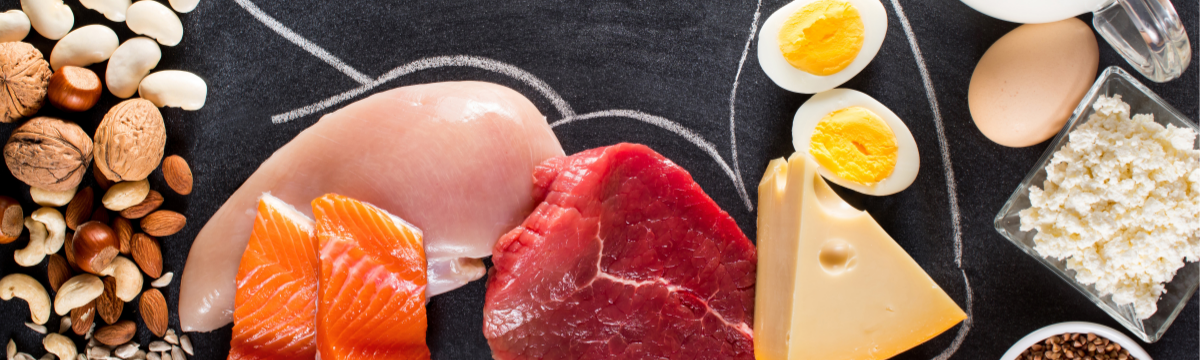
Protein is a key part of a healthy diet, especially as we age. Protein helps maintain muscle mass, which can help keep your body strong. When it comes to protein, beef, chicken, and pork might come to mind. Protein can also come from plant foods, like beans and nuts. Protein is important for growth and repair in the body.

AGE | Move More: A Guide to Winter Activity
Winter is here! The snow and cold is here to stay—but you can still move and be active. Don’t let winter conditions break all your physical activity habits and goals.
AGE | Surviving Cabin Fever with Resiliency
I returned home from work tonight, and before making dinner, I opened the freezer, slipped out a half-gallon of my favorite ice cream, and dished out a small bowl. I stood in front of the heater, savoring every spoonful of peanut butter and chocolate chips while feeling the warmth from the fire on my backside and toes.

AGE | The Healing Power of Gratitude for Senior Well-Being
In recent years, gratitude has gained attention not just as a feel-good practice but as a powerful tool for improving mental health, especially among older adults. Research supports that gratitude has the power to heal.
AGE | Falls Among Older People, and How We Can Prevent Them
Anyone who has ever unexpectedly experienced a fall (which should be about all of us) knows the terror that occurs between the moments of our trip, slip, or stumble, the fall itself, and the jarring moment of impact!

AGE | The Friendship Factor in Healthy Aging
Discussions on healthy aging often focus on eating right and staying active, but equally important is staying socially connected. Strong social ties improve mental health, reduce the risk of depression, ease loneliness, and even extend life.