
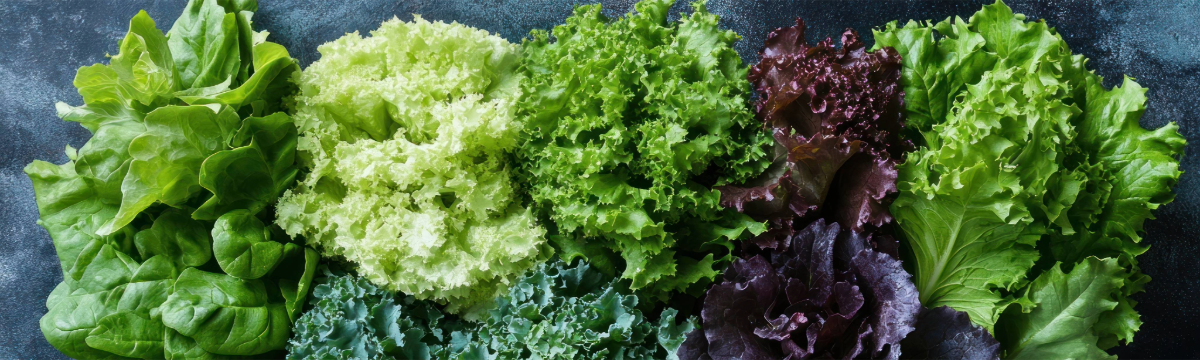


AGE | Leafy Greens: A Veggie Powerhouse for Your Health
Mindy Meuli, MS, RD
Leafy, green vegetables, like spinach, kale, and collard greens, are a great addition to your plate. These vegetables are nutrient dense and can offer health benefits, especially for older adults. Some of the nutrients from leafy greens include:
- Vitamin A– helps with eye health and seeing at night; keeps skin healthy; helps heal wounds and boost the immune system.
- Vitamin C– helps heal wounds, boost immunity, and keep cells and issue healthy; helps make blood vessels, bones, and teeth.
- Vitamin K– helps maintain bone health and prevent osteoporosis; helps protect against cardiovascular disease; may help maintain cognitive function.
- Iron– helps blood cells carry oxygen to all parts of the body and protects against iron-deficiency anemia.
- Fiber– helps with digestion and preventing constipation.
Leafy greens are an adaptable veggie, easy to add to smoothies, eggs, soups, casseroles, tacos, salads, and stir-fry.
Related Posts

AGE | Year Long Healthy Eating Using SMART Goals and the new Dietary Recommendations for Americans, 2025-2030.
Setting SMART goals can help us make small changes to improve our health at any life stage. SMART goals are especially valuable because they provide a step-by-step plan to reach our goal. They provide us with a sense of direction, motivation, and clear focus for actions to take.

AGE | Being Physically Active as You Age
According to the NIH, engaging in social and productive activities that you enjoy may help to maintain your well-being and independence as you get older. Research has shown that an active lifestyle helps lower the risk of developing dementia, heart disease, stroke and some types of cancer. Being physically active helps you feel happier and less depressed, and possibly help improve mental abilities, especially if the activity uses the brain to recall words or steps, like singing or dancing.